

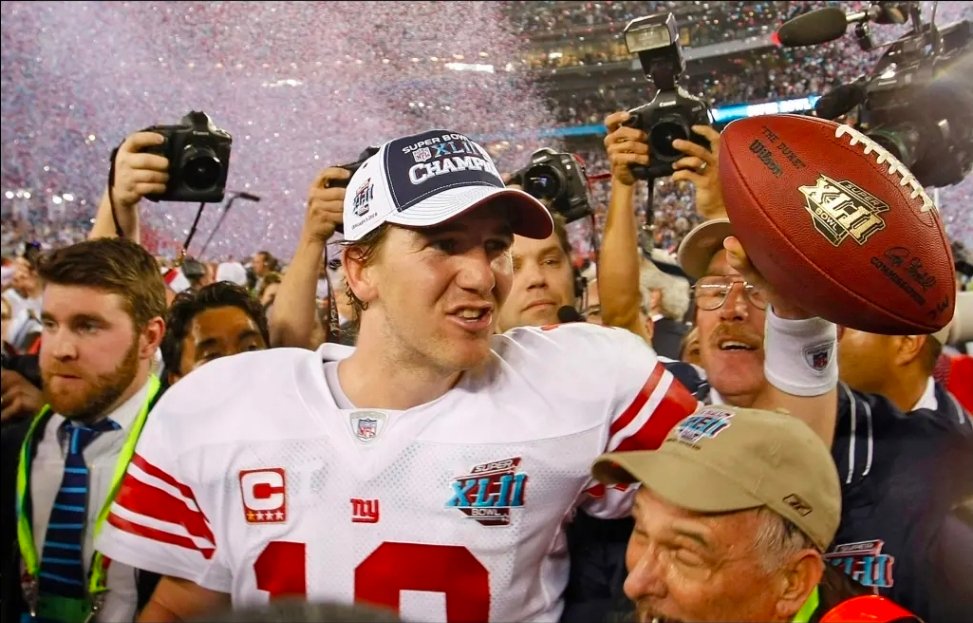
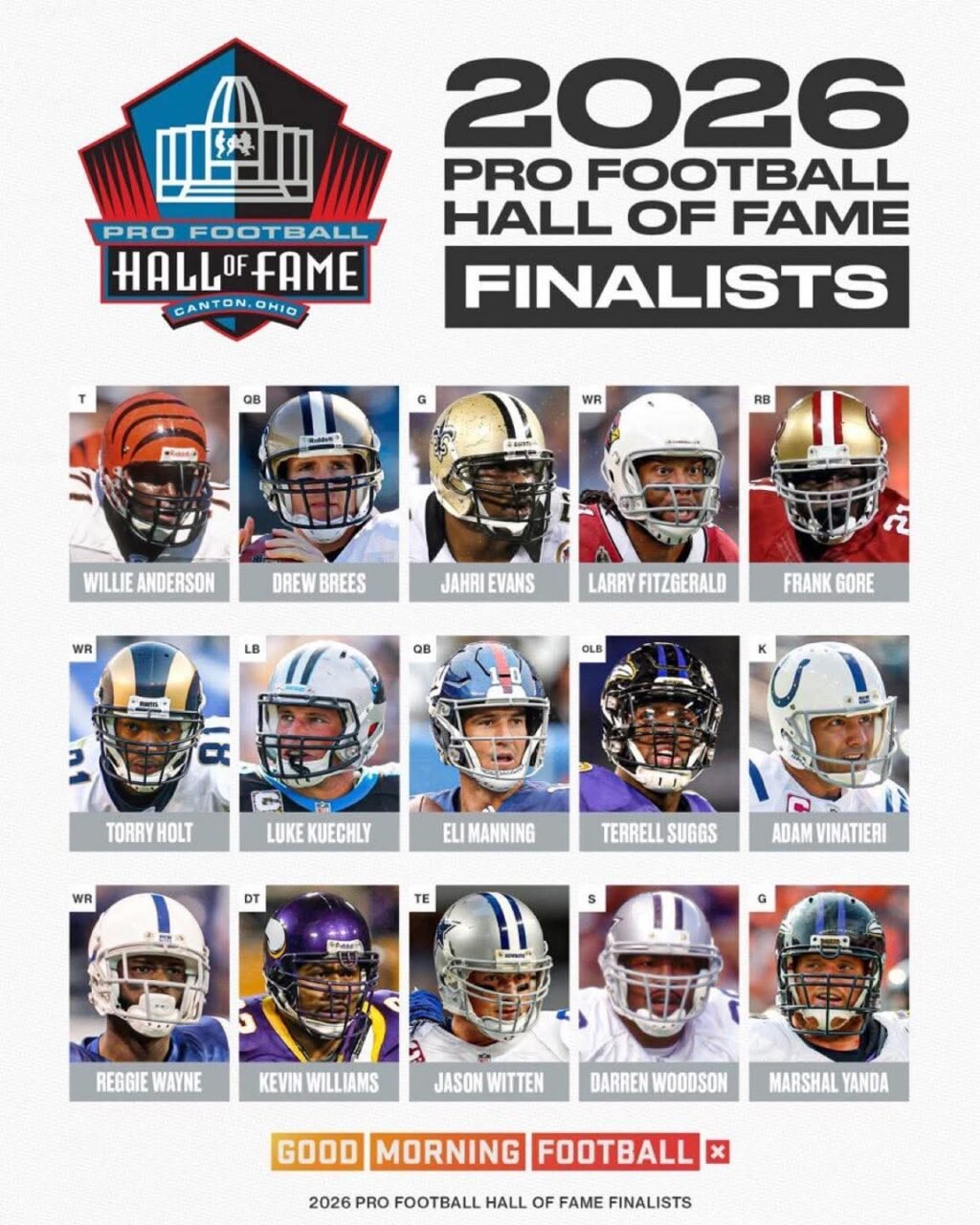
The Pro Football Hall of Fame has unveiled its 15 modern-era finalists for the Class of 2026, a star-studded group that includes legendary quarterbacks, dominant linemen, and record-setting skill players. Among them is Eli Manning, the two-time Super Bowl champion who quarterbacked the New York Giants from 2004 to 2019.
While the class features first-time eligibles like Drew Brees and Larry Fitzgerald, alongside repeat finalists such as Torry Holt and Adam Vinatieri, Manning’s resume stands out for its clutch performances and championship pedigree. In a selection process where up to five modern-era players can be inducted, Manning’s case is compelling, particularly when stacked against his contemporaries.
Here’s a breakdown of why Eli Manning not only belongs in Canton but deserves a spot in this competitive class.
Manning’s Career Highlights: A Legacy of Leadership and Longevity
Eli Manning’s 16-year career was defined by durability and big-game heroics. He amassed 57,023 passing yards, 366 touchdowns, and a 60.3% completion rate over 236 starts, retiring with an 84.1 passer rating.
While these numbers don’t lead the all-time charts, they reflect a quarterback who started every game for over a decade (from 2004 to 2017), earning four Pro Bowl nods along the way. Manning’s consistency helped the Giants achieve six playoff appearances, but it’s his postseason prowess that elevates him.
Unlike some finalists whose stats shine in the regular season, Manning transformed in January and February. He led the NFL in playoff road wins (five) and never lost a Super Bowl start. His leadership was instrumental in turning around underdog teams, making him a symbol of resilience in New York sports history.
The Super Bowl Factor: Where Manning Shines Brightest
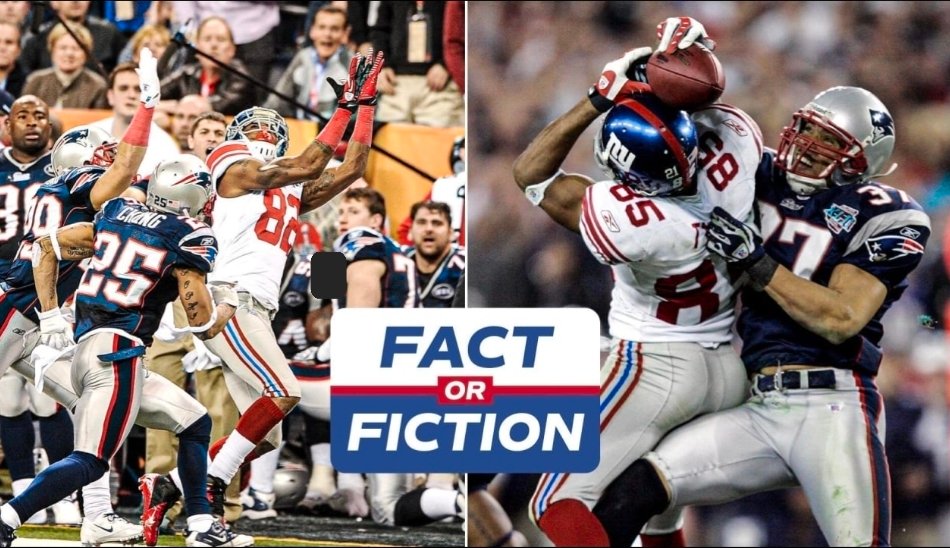
No discussion of Manning’s Hall of Fame credentials is complete without highlighting his two Super Bowl victories—both against Tom Brady and the New England Patriots dynasty. In Super Bowl XLII (2007 season), Manning orchestrated one of the greatest upsets in NFL history, defeating the 18-0 Patriots 17-14.
He earned MVP honors for his 255 yards and two touchdowns, including the iconic “Helmet Catch” to David Tyree. Four years later, in Super Bowl XLVI, he did it again, throwing for 296 yards and a touchdown in a 21-17 win, securing another MVP award.
This championship resume gives Manning a clear edge over many contemporaries in the 2026 class. Take Drew Brees, another quarterback finalist and a first-ballot lock in many eyes. Brees boasts superior volume stats—80,358 yards, 571 touchdowns, a 67.7% completion rate, and a 98.7 passer rating across 20 seasons, with 13 Pro Bowls and one first-team All-Pro. pro-football-reference.com Brees also won Super Bowl XLIV and its MVP.
However, Manning’s two rings and MVPs provide a counterpoint to Brees’ statistical dominance. In an era where quarterbacks are judged by titles as much as yards, Manning’s ability to deliver against the greatest team of his time tips the scales. Brees’ Saints were perennial contenders, but Manning dragged less-talented Giants rosters to glory twice.
Compared to non-quarterbacks like Larry Fitzgerald (17,492 yards, 121 touchdowns, 11 Pro Bowls) or Frank Gore (16,000 rushing yards, five Pro Bowls), Manning’s impact as a franchise quarterback—who often elevated his supporting cast—argues for prioritization. Fitzgerald and Gore were elite at their positions, but quarterbacks with multiple championships historically get the nod in crowded classes.
Statistical Context: Efficiency vs. Volume in a Pass-Happy Era
Critics often point to Manning’s 244 interceptions (leading the league three times) and lack of All-Pro selections as knocks against him.
Yet, context matters: Manning played in a less pass-friendly era early on, with rules evolving to favor offenses during his prime. His 366 touchdowns rank him among the top 10 all-time upon retirement, and he threw for over 4,000 yards in six seasons.
Versus Brees, who people claim he benefited from Sean Payton’s innovative scheme and indoor games in New Orleans, Manning’s Giants emphasized a run-first, defensive approach. I claim Payton benefited from Brees’ talents. Brees’ 243 interceptions are nearly identical to Manning’s, despite 50 more touchdowns, highlighting similar risk-taking styles.
Other finalists like Reggie Wayne (14,345 yards, 82 touchdowns, six Pro Bowls) or Torry Holt (13,382 yards, 74 touchdowns, seven Pro Bowls) have gaudy receiving numbers, but they played alongside Hall of Fame quarterbacks (Peyton Manning and Kurt Warner, respectively). Eli Manning was the Hall-caliber quarterback for his team, often without comparable weapons.
Linebackers like Luke Kuechly (seven Pro Bowls, one Defensive Player of the Year) or Terrell Suggs (seven Pro Bowls, one DPoY) bring defensive excellence, but the Hall has historically favored offensive stars, especially quarterbacks with rings. Kuechly’s career was shortened by injuries (eight seasons), while Manning’s 210 consecutive starts underscore his iron-man reliability.
Comparisons to the Field: Why Manning Rises Above
In a class loaded with talent, Manning’s case holds up against repeat finalists like Willie Anderson (four-time All-Pro tackle) or Marshal Yanda (nine Pro Bowls, two first-team All-Pros), who were foundational linemen but lack the spotlight of a quarterback’s role.
Adam Vinatieri, the clutch kicker with four rings, is a specialist whose induction would be historic but doesn’t overshadow Manning’s leadership in those same big games.
Jason Witten (11 Pro Bowls, 1,228 receptions) and Darren Woodson (five Pro Bowls, three rings with the Cowboys) are strong candidates, but Witten’s longevity mirrors Manning’s without the championships as a primary driver, and Woodson’s era (1990s) feels more distant.
Frank Gore’s durability (16 seasons) is impressive, but running backs face steeper Hall standards, with fewer recent inductees.
Ultimately, Manning’s contemporaries like Brees and Fitzgerald are likely shoo-ins, but with spots for up to five, Manning fits alongside them. His narrative—overcoming early criticism, delivering iconic moments, and retiring as a Giant legend—resonates with voters who value story as much as stats.
Conclusion: A Deserved Spot in Canton
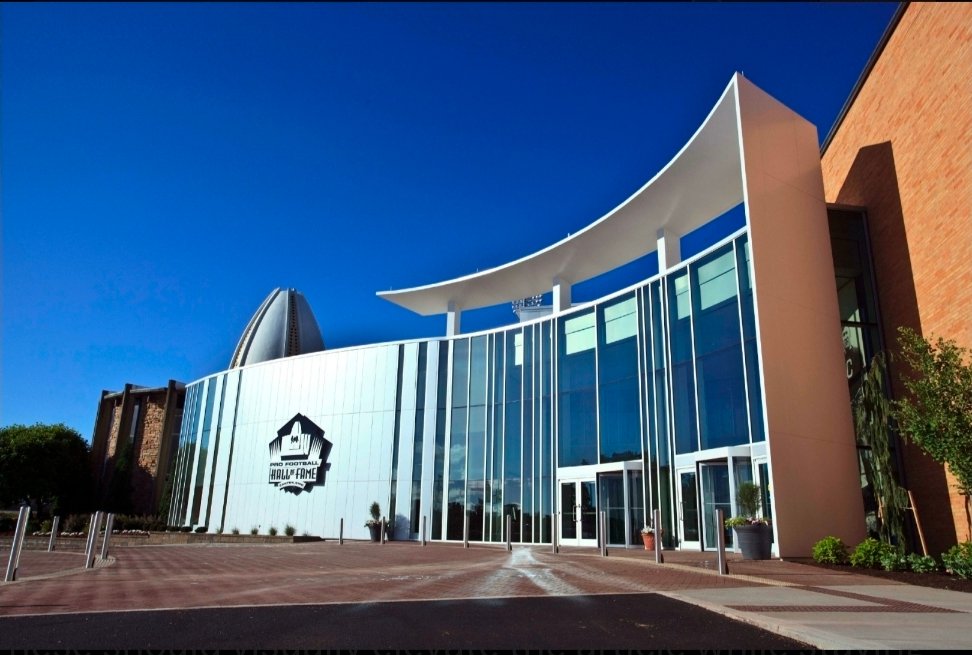
Eli Manning’s Hall of Fame case isn’t built on gaudy records alone but on indelible moments that defined an era. In the 2026 class, where talent abounds, his two Super Bowl MVPs and unflinching performance under pressure set him apart from even the most statistically dominant peers like Drew Brees.
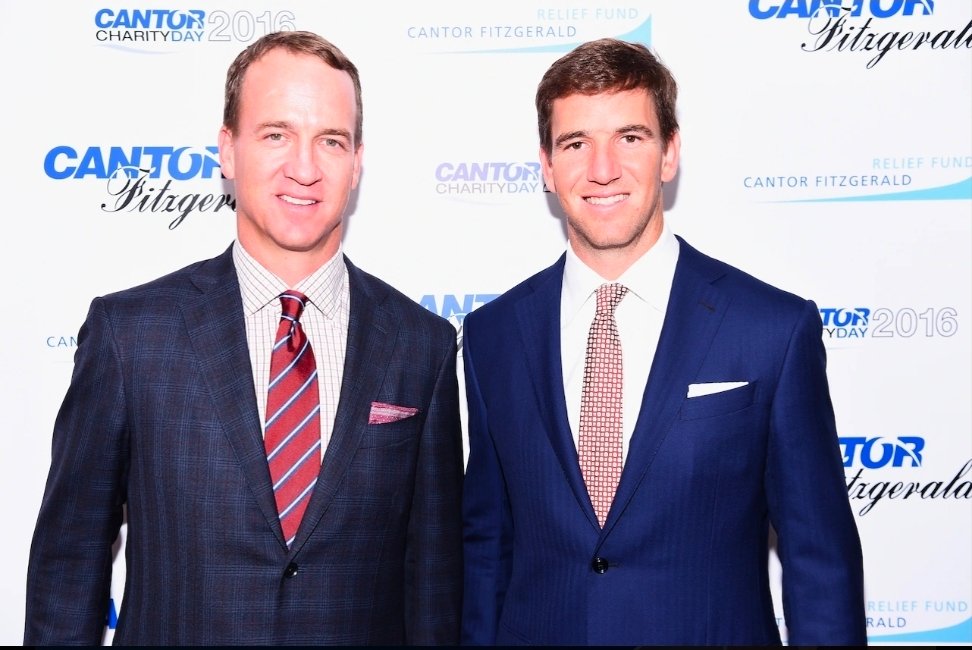
While every finalist has merits, Manning’s contributions to the game’s biggest stage make him indispensable. As voting concludes in early 2026, expect Eli to join his brother Peyton in Canton—he’s earned it. He lived in his brother’s shadow but I would just like to point out I never heard any rumors about him being on steroids… Allegedly!
